Master Budgeting and Saving with Cash Stuffing
Updated: Jul 17
If you’ve ever felt overwhelmed by managing your money, you’re not alone. Budgeting can seem like a chore, but it doesn’t have to be that way. I discovered a method that’s both simple and surprisingly fun: cash stuffing. It’s a hands-on way to take control of your finances, especially with current cost of living where every penny counts. Let me walk you through how you can master budgeting and saving with cash stuffing.
Why Cash Management by Cash Stuffing Works
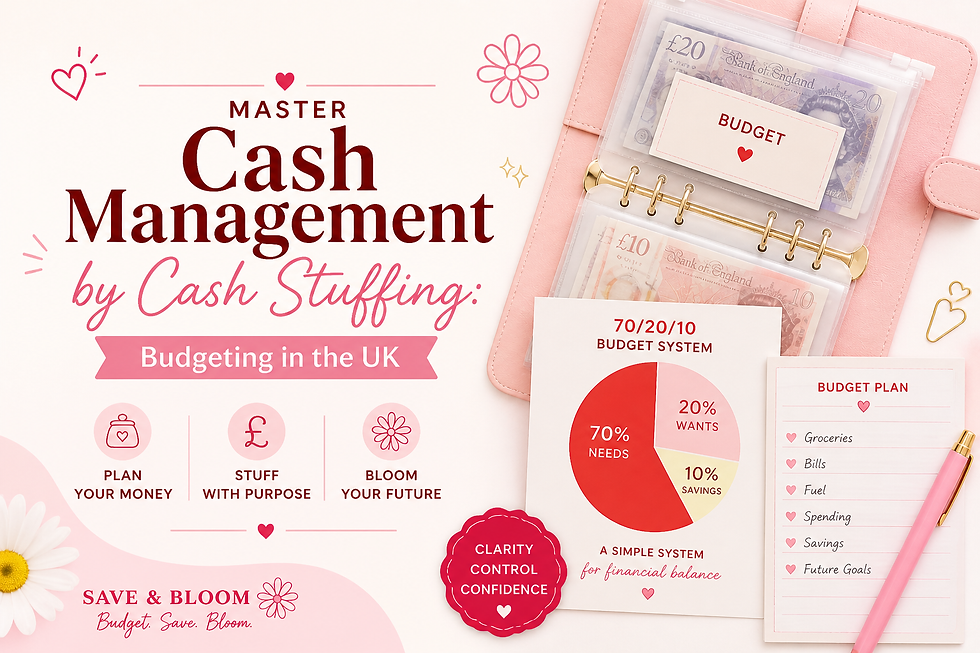
Cash stuffing is all about physically dividing your money into cash envelopes or cash wallets, each labelled for a specific purpose. This method helps you see exactly where your money is going and keeps you accountable. Unlike digital budgets, using physical cash makes your spending real.
For example, you might have wallets for food, fuel, personal spending. When the money in a wallet runs out, you stop spending in that category until the next budget cycle (you can do it weekly or monthly). It’s a simple, visual way to prevent overspending and stay on track.
You can also create cash wallets for sinking funds e.g. christmas, holiday, opticians, birthdays and save a small amount from each pay packet over the year so these irregular payments don't end up on the credit card.
One of the best things about this method is how it encourages mindfulness. You become more aware of your spending habits and can adjust accordingly. Plus, it’s flexible enough to fit your lifestyle, whether you’re saving for a holiday, paying off debt, or just trying to avoid those dreaded overdraft fees.
How to Start Cash Stuffing
Starting cash stuffing is easier than you might think. Here’s a step-by-step guide to get you going:
Calculate Your Income and Expenses
Begin by figuring out your total monthly income. Then list all your expenses - rent, bills, food, fuel, and fun stuff. Don’t forget to write down irregular expenses that occur across the year and set a realistic budget for these e.g. birthdays, holiday, christmas, opticians.
Set Your Categories
Decide which categories you want to allocate cash to. Common ones include food, fuel, personal spending as well as sinking funds (e.g. holiday, christmas). You can personalise these to fit your needs.
Label Your Zip Wallets
Label each wallet one clearly with the category name.
Withdraw Your Cash
When you get paid, take out the amount of cash you’ve budgeted for each category. This might feel a bit old-school, but it’s the heart of the method.
Stuff Your Zip Wallets
Put the allocated cash into each wallet.
Spend Only What’s in the Wallets
When you need to buy something, use the cash from the relevant wallet. If it’s empty, you wait until the next month.
Track and Adjust
At the end of the month, review your spending. Did you run out of cash in some wallets? Did you have leftovers? Use this info to tweak your budget.
This method works brilliantly for those who want a tactile, visual way to manage money. It’s especially helpful in the UK where cash is still widely accepted and many people prefer to avoid credit card fees or overdrafts.
What is the 70/20/10 Money Rule ?
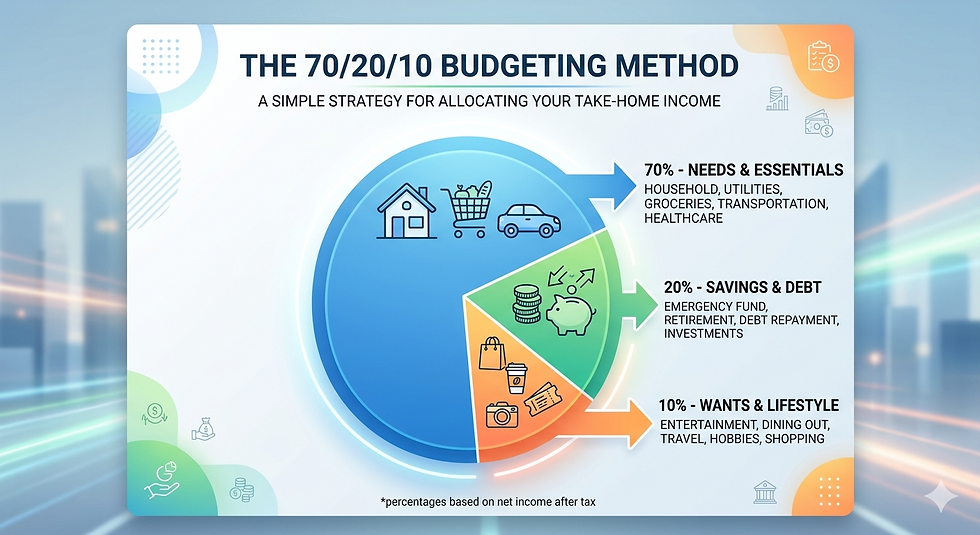
The 70/20/10 rule is a simple budgeting guideline that can complement your cash stuffing system. It breaks down your income into three parts:
70% for living expenses: This covers rent, bills, food, transport, and other essentials.
20% for savings and debt repayment: This portion goes towards building your emergency fund, paying off loans, or investing.
10% for fun and personal spending: Yes, budgeting includes treating yourself! This keeps things balanced and sustainable.
Applying this rule within your cash stuffing wallets can make your budgeting even more effective. For instance, you might have wallets for essentials that total 70% of your income, a savings wallet for 20%, and a fun money wallet for 10%. It’s a great way to ensure you’re covering all bases without feeling deprived.
This rule is flexible, so if you have specific financial goals, you can adjust the percentages. The key is to keep it simple and consistent.
How Cash Stuffing Can Help You Reach Your Financial Goals
Using the cash stuffing system can transform how you handle money. It’s not just about cutting costs, it’s about gaining control and confidence. When you physically see your money and decide where it goes, you’re less likely to make impulsive purchases.
This method also helps you build good financial habits. You learn to prioritise needs over wants and save consistently. Over time, these habits can lead to bigger achievements like clearing debt, buying a home, or enjoying a stress-free holiday.
Plus, cash stuffing makes budgeting personal. You decide what matters most and allocate your money accordingly. It’s empowering to know you’re steering your financial ship, not just drifting along.
Your Next Step Towards Financial Freedom
Starting cash stuffing might feel a bit strange at first, but stick with it. The more you practice, the easier it becomes. Soon, you’ll find yourself looking forward to budgeting days, organising your wallets, completing savings challenges and watching your savings grow.
Remember, budgeting is a journey not a race. Celebrate your wins, learn from slip-ups, and keep your eyes on your goals. With cash stuffing, you’re not just managing money - you’re creating a lifestyle that supports you.
So why not give it a go? Grab some wallets, label them, and start cash stuffing. Your future self will thank you.
Happy cash stuffing!


Comments